A Brand New Dawn - An Overview of the 2026 Changes in F1
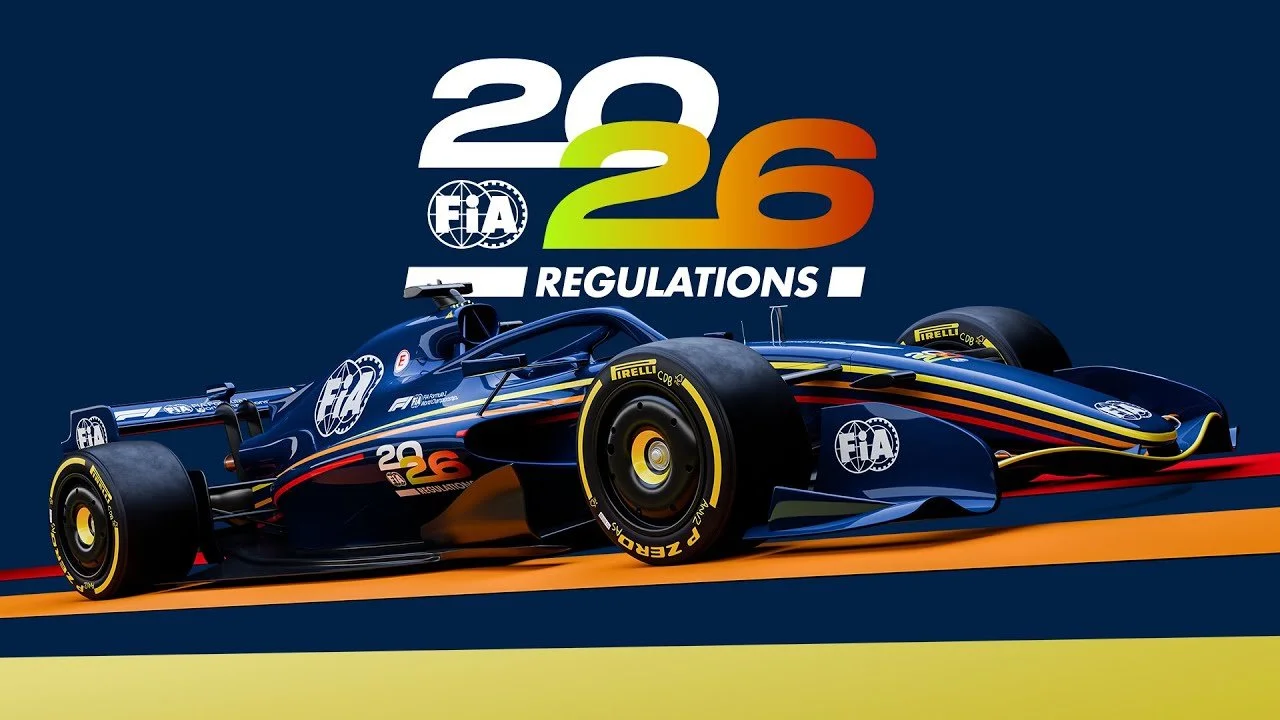
FIA render of the 2026 Formula 1 car. Image © Fédération Internationale de l’Automobile (FIA), used for editorial purposes only.
Thanks to brand new regulations, the 2026 cars are lighter, smaller, and depend more on electrical power and movable/active aerodynamics than ever before. This blog shortly summarises key performance indicators that have will be the defining elements in the new regulation set.
Power Unit Elements
The new PU brings a 50/50 power split between internal combustion and electrical power, though still providing an output of about 1000 horsepower. This is thanks to the greatly improved power output of the MGU-K (Motor Generator Unit-Kinetic). This component serves as the main form of energy recuperation but also delivers ~470 horsepower to the rear wheels. We have said goodbye to MGU-H (Motor Generator Unit-Heat) which used wasteful exhaust gases to recuperate energy and to speed up the turbos during acceleration, eliminating elements such as turbo-lag and aiding acceleration. The elimination of this component appealed to new manufacturers such as Audi, who for the first time ever are joining Formula One with their own team, and encouraged Honda to stay in the sport as an engine provider, even though their exit was planned by the end of 2025.
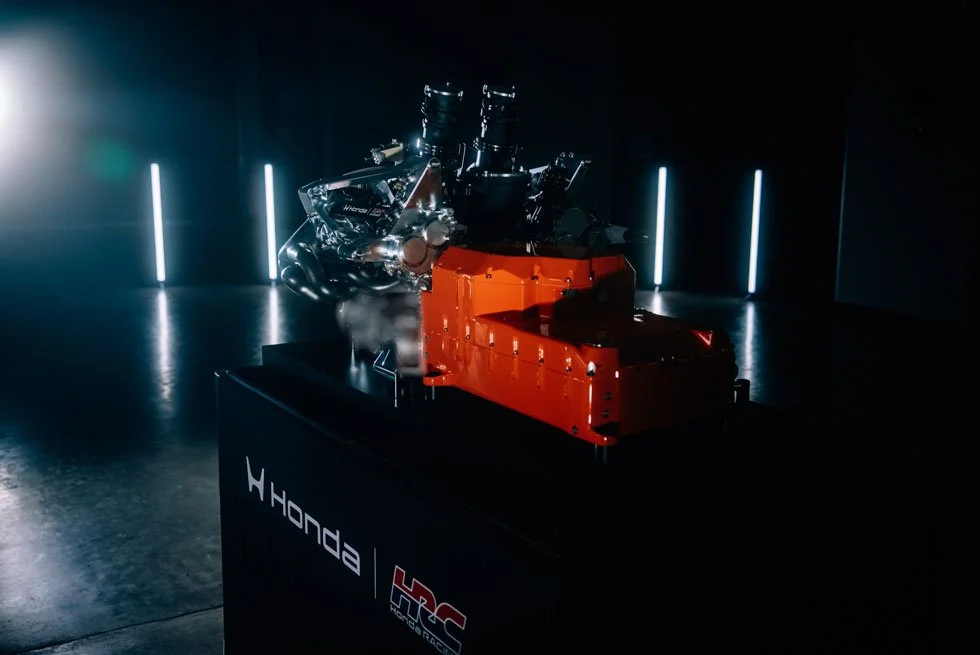
Honda’s RA626H 2026 V6-Hybrid Power Unit
If not for the change in power unit regulations, Honda had plans of leaving the sport. This new strive for efficiency between internal combustion and electric power made them commit for another era.
Honda RA626H 2026 Formula 1 power unit. Image © Honda Motor Co., Ltd. / Honda Racing, used for editorial purposes only.
Often overlooked but just as crucial is the change to 100% carbon neutral fuels. The teams have the option to choose whether to use synthetic fuels, made for example with carbon capture technologies, that takes CO2 out of the atmosphere, and turns it into usable CO2 in liquid or gas forms, leading to the creation of new fuels. The second alternative is biofuels, which are made from renewable, non-food biomass, providing a circular process from beginning to end. Further changes made include the transition from “kg/hour” fuel‑flow limit to an energy-based metric in MJ/hour, which changes how engineers think about efficiency and fuel strategy. No split‑turbo layouts or variable‑length inlet trumpets, simplifying some tricks manufacturers used in the past, but making combustion efficiency and turbo‑matching even more critical.
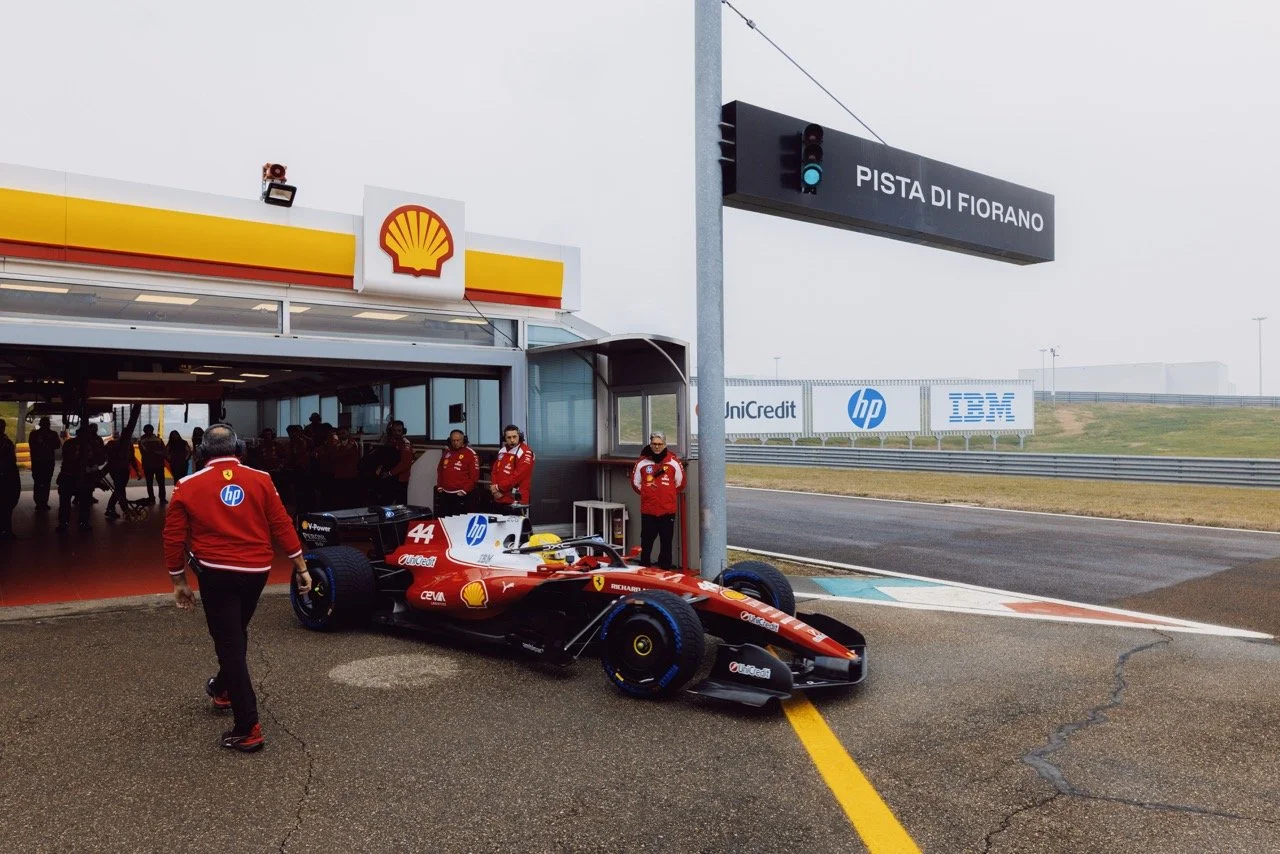
Suppliers can meet that spec with advanced biofuels, synthetic e‑fuels, or a combination, and different OEM–fuel‑partner pairings are exploring different mixes.
Scuderia Ferrari HP x Shell 100% sustainable fuel visual. Image © Ferrari S.p.A. and Shell International Petroleum Company Limited, used for editorial purposes only
Active Aerodynamics and the End of Classic DRS
The front and rear wings will now all be under the control of the driver, allowing for rapid changes between a high-downforce cornering mode (“Z-mode”) and a low-downforce (“X-mode), straight-line configuration, implementing bigger moving elements than the traditional DRS wings pre-2026. Instead of DRS zones, the FIA will implement lengthier “activation-zones”, where drivers can make use of X-mode, dumping a whole bunch of downforce. So what will provide the main overtaking opportunity for drivers if everyone can freely use active aero? That is where the “Overtake Mode” will come into play. Overtake mode provides a temporary electric boost from the powertrain to drivers who are within one second of the driver in front of them when crossing the start-finish line. This extra boost can be used strategically anywhere over the consequent lap. Whether it’s acceleration out of corners or extra kph on the straights, the decision will be in the driver’s hands about when to use this overtaking element. This change further incorporates a huge strategic element, and strategy decisions this year will be more critical than ever to achieve the best performance over a race distance.
Chassis and Tyres
The cars will see an approximately 30-kilogram reduction in weight, considering a team can achieve that goal, putting the cars’ minimum weight to 768kg. Wheelbase and overall footprint shrink by a small amount as well, aiming to revive the agility and raceability of the 2010 cars but with hybrid performance.
The specification of the new tyres from Pirelli moves towards a direction that supports the new active aero elements, and the aggressive hybrid usage of the new PU. Based on last year’s interviews from Pirelli, we understand that a big goal of these new tyres was to create a significant delta between existing compounds. In the past years, we have often seen little to no difference in tyre performance on track between compounds, which has led to limited strategy choices and an overall limitation in daring on-track decisions.
Conclusion
All of these changes invite new challenges and hurdles for the engineers within each team. They aren’t just required to create an aero map for a setup that works best on track as one package; they’re required to create a balanced and safe setup both in low and high downforce applications, while trying not to stress the new PU too much. The PU and aero elements require a symbiotic approach to achieve max performance, but smaller downforce numbers and a flat floor allow for wider operating windows.
As so many variables are changing, expect teams to be more innovative than ever, in order to try and find performance in any and every component. The first races will provide a clearer picture of how the teams match up against each other, but as everyone starts to find their groove and discover setup variations that work, expect variable race results and surprise finishes especially as new strategy variations come into play.